
Hydraulic cylinders: Repair vs replace
July 12, 2024
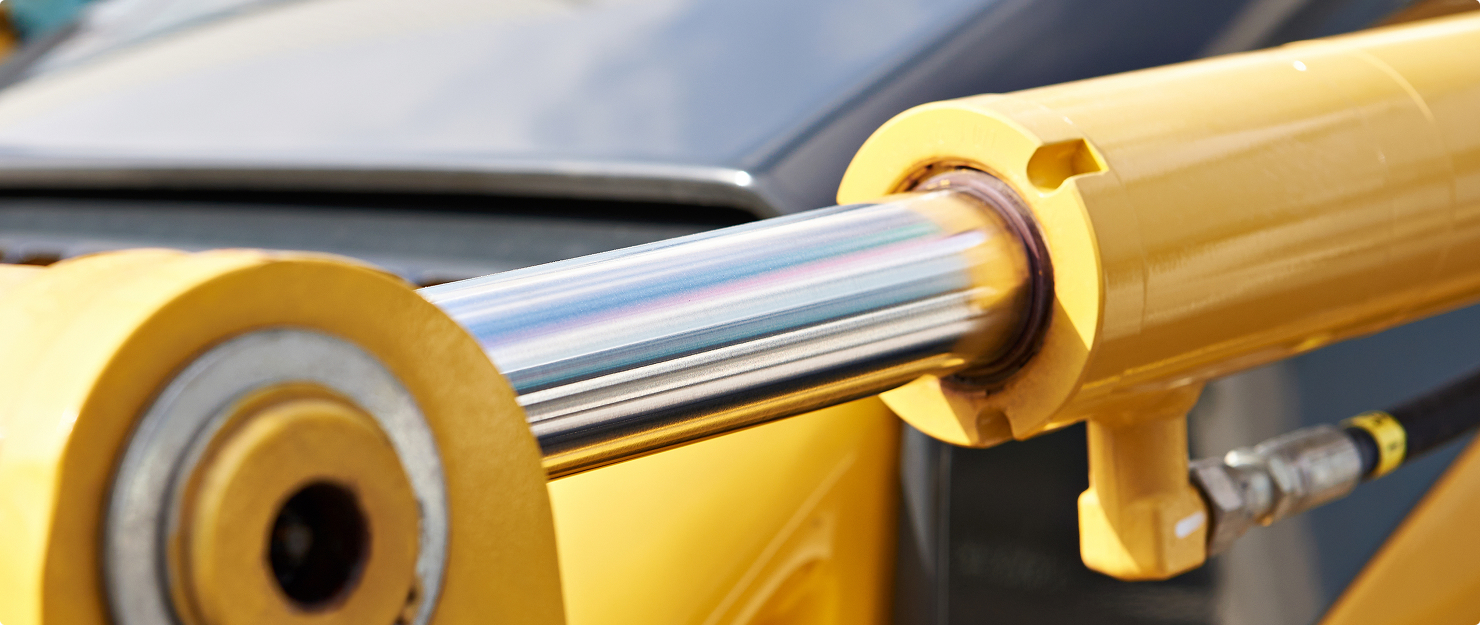
Maintaining the best working environment of hydraulic cylinders in heavy equipment, makes it crucial for optimal performance and efficiency. For mechanics and fleet managers, deciding whether to repair or replace a faulty cylinder can be challenging. This guide looks into the advantages and disadvantages of both options. This will help you to make informed decisions to keep your fleet running smoothly and efficiently.
Understanding hydraulic cylinders: Basics and importance
Hydraulic cylinders are fundamental components of heavy equipment machinery, providing the force needed for lifting, pushing, and other operations. They convert hydraulic energy into mechanical force, enabling the machinery to perform various tasks. Proper maintenance of hydraulic cylinders ensures operational efficiency, safety, and longevity. Neglecting cylinder wear can lead to reduced performance and costly breakdowns.
Benefits of cylinder repair
| Benefits | Disadvantages | |
| Cylinder Repair | Cost-effectiveness – Typically less expensive than replacement. – Significant savings for fleet managers overseeing multiple pieces of heavy equipment. | Potential for recurrent issues – Risk of ongoing problems if repairs are not thorough. – Can lead to recurring issues, increasing downtime and costs. |
| Time efficiency – Generally quicker than replacement. – Reduces machinery downtime, increasing productivity. | Limitations on extent of damage – Not suitable for severe damages. – May be ineffective or impossible for significant structural failures. | |
| Retaining original parts – Ensures compatibility and maintains the integrity of the machinery. – Integrates seamlessly with the rest of the system. |
Cost-effectiveness
One of the primary advantages of cylinder repair is its cost-effectiveness. Repairing a hydraulic cylinder is typically less expensive than replacing it, as it involves fixing specific issues rather than installing a new component. This can result in significant savings, especially for fleet managers overseeing multiple pieces of heavy equipment.
Time efficiency
Cylinder repair is generally quicker than replacement. Repairing minor damages can be done swiftly, reducing machinery downtime. For fleet managers, this means less disruption to operations and increased productivity.
Retaining original parts
Repairing a hydraulic cylinder allows you to retain the original parts of the machinery, which can be beneficial in terms of compatibility and performance. It ensures that the repaired part integrates seamlessly with the rest of the system, maintaining its integrity.
Disadvantages of cylinder repair
Potential for recurrent issues
While cylinder repair can be effective, there is a risk of ongoing problems if the repair is not done by a high quality repair facility. Inadequate repairs can lead to reoccurring issues, requiring additional repairs and increasing downtime and costs.
Limitations on extent of damage
Cylinder repair is not suitable for all types of damage. Severe damages, such as significant structural failures including barrel damage, may render repair ineffective or impossible. Understanding the extent of the damage is crucial in determining the viability of repair.
Shorter lifespan
Repaired cylinders may have a shorter lifespan compared to new cylinders. Even high-quality repairs might not restore the cylinder to its original condition, potentially leading to a need for replacement sooner than if a new cylinder had been installed.
In conclusion, making the right choice between repairing or replacing a hydraulic cylinder in heavy equipment hinges on a careful assessment of the damage, cost, and potential downtime. While repairs can be cost-effective and quick, they may not always be the best solution for severe damage or long-term reliability. At Portland Tractor Inc., we’re here to help you the highest quality repair possible. Please make the best decision for your equipment’s working environment. Visit the PTI website to browse available parts inventory, view currently dismantling equipment, and request a free quote today.
FAQs
1. What are the signs that a hydraulic cylinder needs to be repaired or replaced?
- Signs include leaks coming out of the gland or ports, reduced performance, unusual noises, and visible damage. Regular inspections can help identify these issues early.
2. What are the environmental benefits of repairing hydraulic cylinders?
- Repairing cylinders reduces waste and conserves resources, supporting sustainable practices and reducing your environmental footprint.
3. How long does a typical cylinder repair take?
- Repair times vary depending on the extent of the damage but can typically be completed in 6-12 days.
4. Can I perform hydraulic cylinder repairs myself?
- Basic maintenance can be done by knowledgeable individuals, but significant repairs should be handled by professionals to ensure safety and effectiveness.
5. What should I look for in a hydraulic repair service?
- Look for certifications such as ISO 9001 & 14001, experienced technicians, and a good reputation for quality and reliability.